


_cr_334x118.png)


-min_cr_334x118.jpg)


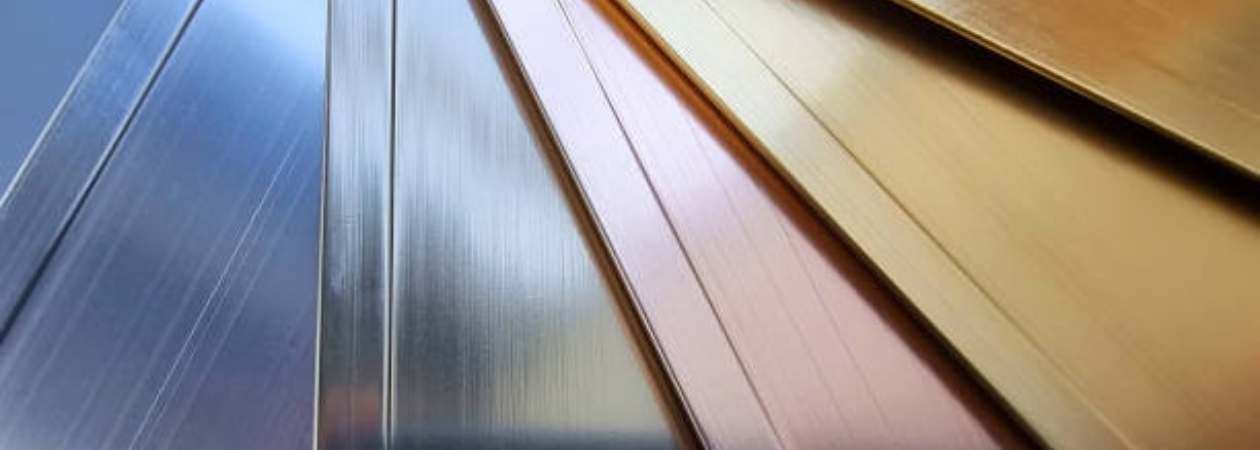
A Comprehensive Guide to Surface Finishes
Surface finish plays a pivotal role in the CNC machining process, where the marriage of aesthetics and functionality is paramount.
Today, with the aid of state-of-the-art tools and rigorous quality checks, modern industrial designers possess the means to achieve optimal functionality and breathtaking designs. It is within the realm of surface finishes that they can truly elevate their products to stand out in a sea of competition. Below we will discuss the basics of surface finishes and explore the key considerations in choosing the ideal finish for any given project.
WHAT'S ON THIS PAGE?
- Surface Pre-Finishing Processes for CNC Parts
- Surface Finish Types for CNC Machining
- Factors to Consider When Choosing a CNC Machining Surface Finish
- Why Choose Smart Vietnam?
Surface Pre-Finishing Processes for CNC Parts
Before diving into the world of surface finishing, it is crucial to understand the significance of surface pre-finishing processes. These preliminary steps lay the foundation for achieving exceptional results. Let's explore the key pre-finishing processes that are commonly employed in the industry:
Degreasing
Throughout the machining process, CNC parts come into contact with various contaminants such as oils, coolants, and lubricants. These substances are used to reduce heat and friction during machining but can hinder the effectiveness of surface finishing. Degreasing involves the meticulous removal of these contaminants using solvents, ultrasonic cleaning, or other specialized methods. The specific degreasing process is tailored to the material properties and finishing requirements of the project, ensuring a clean and pristine surface.
Deburring
Burrs, sharp edges, and protrusions can arise during the machining process and pose challenges to the performance and safety of CNC parts. Deburring is a critical process that involves the removal of these imperfections. By carefully smoothing out edges and eliminating protrusions, deburring enhances the functionality and aesthetics of the part. This meticulous step ensures that the final product meets the highest quality standards.
Grinding
Grinding is a fundamental process that employs an abrasive wheel to clean the surface of CNC parts and eliminate any excess material. This step is particularly essential for materials that tend to accumulate contaminants or exhibit uneven surfaces. Employing grinding techniques, manufacturers achieve an even and smoother finish, setting the stage for subsequent surface finishing processes. Grinding is a key element in achieving precision and enhancing the overall quality of CNC parts.
Inspection
The final pre-finishing process involves a comprehensive inspection of the CNC parts. This step ensures that any defects or imperfections are identified and rectified before proceeding to the surface finishing stage. Through meticulous scrutiny, manufacturers can guarantee the highest level of quality and address any issues that may compromise the final product. Inspection is a critical checkpoint that ensures the integrity and excellence of CNC parts.
Surface Finish Types for CNC Machining
There are three categories of surface finishes commonly employed in the industry. Let's take a brief look at these categories.
AS MACHINED FINISHING
As machined finishing refers to the surface finish achieved directly from the CNC machine without additional processes. This type of finish showcases visible tool marks and exhibits a rough texture, creating a distinct aesthetic appeal. The primary factor used to assess the quality of an as machined finish is surface roughness (Ra), which quantifies the average deviation of the machined profile from the ideal surface.
The industry relies on specific Ra values to evaluate the quality of machined finishes, which can vary depending on the application. Commonly encountered Ra values include 3.2 μm Ra, 1.6 μm Ra, 0.8 μm Ra, and 0.4 μm Ra. It is important to bear in mind that surface roughness (Ra) is just one facet of evaluating the quality of a machined finish. Factors such as surface integrity, waviness, and flatness also contribute to the overall assessment.
As machined finishing offers advantages in terms of dimensional tolerances, as smaller surface roughness values allow for higher dimensional precision in the part. Additionally, as machined finishes do not require additional processes, they can be cost-effective, making them a viable choice for projects with tighter budgets.
However, it is crucial to consider that machined finishes leave behind visible tool marks on the workpiece. While this may be embraced in certain applications, projects that prioritize refined aesthetics alongside functionality may seek alternative surface finish options to elevate their products.
CHEMICAL FINISHING
Chemical finishing is another common process used in CNC machining to achieve surface finishes. It involves utilizing different chemical processes to coat the surface and provide an additional layer of protection. These chemical finishes enhance the overall appeal of the part by adding color, shine, and other desirable attributes. Here are the main types of chemical-based CNC surface finishes:
Anodizing
Anodizing is a chemical process that involves immersing a part in an electrolyte solution to form a protective oxide layer on the surface. There are two types of anodizing: type II and type III. Type II anodizing creates a decorative layer, while type III anodizing forms a hard coat suitable for high-performance applications. Both types of anodizing use a sulfuric acid bath and electrolysis to create a uniform oxide layer on the surface.
Type II anodizing results in a relatively thin oxide layer (up to 25 microns), which offers flexibility for different applications. However, the thinner layer makes the material more susceptible to abrasions and corrosion after prolonged exposure. Type III anodizing, on the other hand, requires a higher voltage current and lower temperature, resulting in a thicker oxide layer (25 to 150 microns) that provides better corrosion and abrasion resistance. However, the thicker layer can make the workpiece brittle, which may lead to cracks or chips under severe stress. The selection between type II and type III anodizing depends on the specific application requirements.
Anodizing provides corrosion protection and wear resistance to the part. It is often the only surface finish required, particularly for aluminum parts. Additionally, there is a wide range of color options available for anodizing, such as black, blue, pink, bronze, and more, which enhance the overall aesthetic appeal. However, anodizing can be relatively expensive and can increase the overall cost of the part. Furthermore, it adds an additional layer to the part, which may not be suitable for applications with high-precision requirements.
Alodine Coating
Alodine coating, also known as chromate conversion, is a common process used on aluminum and non-ferrous metals. It involves applying a thin chromate coating to the part's surface, enhancing its corrosion resistance and adhesion. Typically, parts with Alodine coating receive an additional paint coat to ensure long-term durability.
There are some concerns associated with Alodine coating. Firstly, it is environmentally hazardous and poses safety risks for workers involved in the process. Moreover, the process itself is complex and requires precision, which can potentially increase the cost.
Black Oxide Coating
Black oxide coating is a surface finish commonly used for steel, copper, and other alloys that react well with oxygen. It forms a robust oxide layer throughout the part, providing protection against contaminants and physical damage. In addition to corrosion and wear resistance, black oxide layers also exhibit high lubricity, making them suitable for applications where minimizing friction is important.
However, black oxide finishing has a few drawbacks. Its susceptibility to abrasion makes it unsuitable for applications subjected to high mechanical stress. Moreover, the corrosion resistance of black oxide coatings is relatively moderate, meaning that constant exposure to harsh conditions can lead to coating failure.
Overall, black oxide coating is a viable CNC surface finish for regular applications. However, it is not suitable for severe environments where high levels of contaminants, temperature variations, and mechanical stresses are present.
Electroplating
Electroplating is one of the most widely used surface finishing techniques for CNC parts due to its versatility and benefits. It involves depositing a thin metallic layer onto the workpiece, providing protection against contaminants and corrosion.
In addition to its functional advantages, electroplating is highly regarded for its ability to enhance the aesthetic appeal of surfaces. With options such as decorative and satin finishes, it is considered one of the most attractive finishing options in the industry. This makes electroplating an ideal choice for applications where aesthetics play a significant role. Whether the goal is to add visual appeal to a product or improve the appearance of a component, electroplating offers an excellent solution.
However, it is important to note that electroplating is a complex and precise process that requires specialized technical expertise and experience for successful application. It involves the use of hazardous chemicals and consumes a significant amount of energy, raising environmental concerns. Additionally, electroplating can only be applied to conductive materials, limiting its use in certain industries where non-conductive materials are required.
Passivation
Passivation is a widely utilized post-processing technique in CNC machining that enhances the surface quality and performance of parts. After the machining process, the part's surface may exhibit micro-roughness or impurities that can have detrimental effects on its long-term performance. Passivation helps to address these issues.
Typically, passivation is performed on stainless steel parts in CNC machining. After the machining phase, the parts undergo thorough cleaning to remove any residual oils, coolants, or metal debris. Subsequently, they are immersed in a passivation solution, often consisting of nitric acid, citric acid, or a combination of both.
During the passivation process, the acidic solution chemically reacts with the part's surface, eliminating surface impurities and creating a uniform oxide layer. This oxide layer serves as a protective barrier against corrosion and environmental factors. The duration of the passivation process varies depending on the size and complexity of the part but generally takes several hours to complete.
MECHANICAL FINISHES
Another category of surface finishing in CNC machining involves mechanical processes. In these cases, the workpiece undergoes various stresses and abrasions to achieve the desired finished product. While most mechanical finishes do not require additional post-processing, applying paint or other coatings can enhance the part's longevity and durability.
Bead blasting
This process involves propelling spherical beads made of glass or ceramic onto the part's surface. Bead blasting results in a textured, matte finish that can conceal surface imperfections and create a uniform appearance. Moreover, it effectively removes contaminants due to the high-pressure air used, thus maintaining the overall cleanliness of the part. It is particularly crucial as contaminants can impede subsequent processes such as painting and electroplating.
However, it is important to note that bead blasting carries certain risks. Mistakes during the process can potentially cause significant surface damage to the part. Additionally, bead blasting can affect the dimensional accuracy and functionality of the part and is accompanied by higher costs. As a result, it is typically employed for luxury items or expensive parts where the aesthetic appeal outweighs the associated drawbacks.
Powder Coating
Powder coating is a highly popular surface finish for metallic parts, known for its durability and versatile performance. One of its key advantages is its resistance to scratches, chips, and fading over time. Additionally, powder coating offers a wide range of colors, providing designers with greater freedom and enabling enhanced aesthetics. Furthermore, the powder coating process is environmentally friendly, making it a preferred choice for numerous applications.
However, there are some potential drawbacks to consider when opting for powder coating. One significant disadvantage is the high initial cost associated with the required equipment and materials, making it a more expensive option for smaller production runs or one-off parts. Additionally, the curing process necessitates high temperatures, limiting the compatibility with certain materials and applications.
Brushing
Brushing is primarily a surface treatment method rather than a surface finish, commonly employed to prepare the workpiece for subsequent finishing processes. The brushing process involves using a metal-wire brush or abrasive pad to clean the surface and physically remove any contaminants or particles. One of its main advantages is its simplicity, as the process does not require specialized skills or machinery.
However, it is important to exercise caution during brushing, as it can potentially damage the surface if not performed carefully. Moreover, brushing is not suitable for complex parts and is typically carried out manually, resulting in a time-consuming process.
Polishing
Polishing is a straightforward process that involves achieving a smooth surface by utilizing abrasion. Typically, it begins with the coarsest abrasive and progresses to finer ones until a smooth and aesthetically pleasing surface finish is achieved. Furthermore, polishing can enhance the durability of the material by reducing the risk of cracking or chipping. However, these benefits come at a cost. Polishing is an extremely time-consuming process and can be costly as well, particularly for complex geometries, as it requires specialized skills and equipment to perfect unusual shapes.
Painting
Painting is an effective surface finish for CNC parts, providing protection against corrosion by covering the entire surface. Metal paints commonly utilize lacquer and polyurethane to shield the surface from water exposure and contaminants, ensuring long-lasting protection. However, when subjected to harsh chemicals and abrasions, the paint may fail by peeling away and exposing the underlying surface.
Painting offers versatility in terms of color options and finishes, making it an appealing choice for various CNC machining applications. The process itself is relatively straightforward. However, it is important to note that certain painting methods can have negative environmental impacts, and proper drying time is necessary for adequate adhesion.
Factors to Consider When Choosing a CNC Machining Surface Finish
When selecting a surface finish for a CNC machined part, several factors need to be carefully considered to ensure the desired outcome in terms of both functionality and aesthetics. These factors include functionality, material compatibility, aesthetics, cost, lead time, environmental impact, and part geometry.
Functionality is a crucial consideration, as the surface finish should align with the functional requirements of the part. Parts that require high wear or corrosion resistance may benefit from stronger finishes like anodizing or electroplating. On the other hand, parts that prioritize aesthetics may require finishes with a wide range of color and texture options.
The material of the part also plays a significant role in choosing the appropriate surface finish. Certain finishes are better suited for specific materials. For example, anodizing is commonly used on aluminum parts, while electroplating is suitable for conductive metal parts.
Aesthetics are another factor to consider, especially when the appearance of the part is important. Different surface finishes can create various visual effects, such as high gloss or matte finishes, allowing for customization based on design preferences.
Cost is a practical consideration when choosing a surface finish. Some finishes may be more expensive than others. For instance, powder coating tends to be more costly than regular paint. It is essential to strike a balance between cost, function, and time to determine the most suitable surface finish.
Lead time is another consideration, as different finishing methods require varying amounts of time to complete. If there is a tight deadline, selecting a finishing method that can be accomplished quickly, such as polishing, may be necessary. However, if time allows and a higher-quality finish is desired, options like anodizing, which may take longer but offer a more precise and polished outcome, can be considered.
Considering the environmental impact of the surface finish process is increasingly important. Exploring eco-friendly options and minimizing environmental harm should be prioritized whenever possible.
Part geometry also influences the choice of surface finish. Parts with tight tolerances and intricate designs may require different finishes compared to parts with simpler geometries that are more forgiving in terms of finishing requirements.
Why Choose Smart Vietnam?
When it comes to surface finishing, Smart Vietnam stands out as a reliable and professional choice. Here's why you should consider partnering with us:
Expertise and Experience
We have a wealth of knowledge and experience in CNC machining and surface finishing. Our team of experts understands the intricacies of different surface finishes and can provide valuable guidance to help you achieve the desired outcome for your parts.
Superior Quality
We are committed to delivering exceptional quality in every project we undertake. Our skilled technicians and advanced equipment ensure precise and consistent surface finishes that meet the highest standards. We take pride in our workmanship and strive for excellence in every detail.
Comprehensive Finishing Options
Smart Vietnam offers a wide range of surface finishing options to cater to diverse requirements. Whether you need anodizing, electroplating, powder coating, painting, brushing, or polishing, we have the expertise and capabilities to provide the right solution for your project.
Cost-Effective Solutions
We understand the importance of cost optimization in manufacturing. Smart Vietnam offers competitive rates without compromising on quality. Our efficient processes and experience in surface finishing enable us to provide cost-effective solutions that align with your budget.
Streamlined Process
With Smart Vietnam, the surface finishing process is hassle-free and convenient. You can easily submit your project details on our website, and our team will promptly provide you with a quote. We prioritize clear communication and efficient project management to ensure a smooth experience for our clients.
Commitment to Customer Satisfaction
At Smart Vietnam, customer satisfaction is our top priority. We value long-term partnerships and aim to exceed customer expectations at every step. Our dedicated team is responsive, reliable, and committed to delivering your project on time, meeting your specifications, and ensuring your satisfaction.
Holistic Manufacturing Expertise
In addition to surface finishing, Smart Vietnam offers comprehensive manufacturing expertise. We can support you throughout the CNC machining process, from design optimization to prototyping and production. Our end-to-end solutions ensure seamless coordination and high-quality results.
Choose Smart Vietnam as your trusted partner for surface finishing. Experience our professional service, superior quality, cost-effective solutions, and commitment to customer satisfaction. Contact us today to discuss your project and let us bring your vision to life with exceptional surface finishes.
- The Brush Truck Revolution: Redefining Off-Road Firefighting with Precision Engineering
- Smart Vietnam Launches New Liquid Painting Shop
- Smart Vietnam’s Stainless Steel Printer Enclosure: Lock, Load, and Print
- Smart Vietnam’s ISO-Certified Quality: Built Right, First Time, Every Time
- Smart Vietnam’s Trolley Rack for Rigging: Grab, Load, and Roll
- Smart Vietnam’s Rigging Station Combo: Hang It, Store It, Move It – Built for Real Worksites
- Bead Blast Surface Finish Chart: Smart Vietnam’s Guide to Consistent, High-Quality Metal Finishing
- Smart Vietnam’s Roll Cages for Pharmaceutical Businesses: Built Tough for Clean, Secure Transport
- Smart Vietnam’s 2-in-1 Steel Rolling Tool Chest: 8-Drawer Cabinet for Garage & Workshop Use


Your Leading Partner
- Sheet Metal Fabrication
- Surface Treatment
- Turnkey Assembly