


_cr_334x118.png)


-min_cr_334x118.jpg)


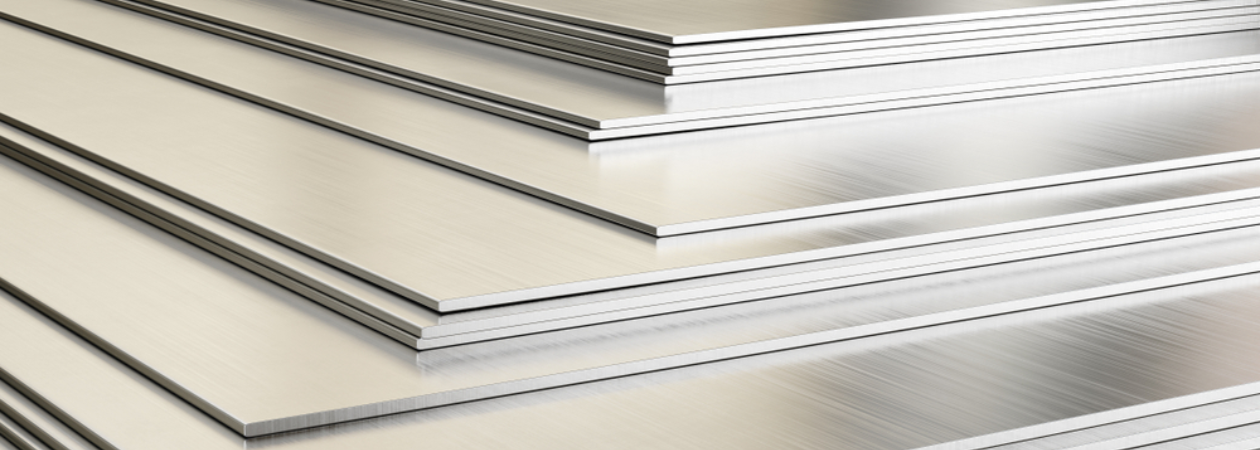
Discover the strength, properties, applications, price factors, and the significance of mild steel sheet metal in various industries. Learn about its history, manufacturing process, and why it remains a crucial material choice for construction and fabrication projects.
Mild steel sheet metal, a versatile alloy created by blending iron and carbon, has been in use for thousands of years. Its exceptional strength, durability, and ease of fabrication have made it a popular choice in diverse applications, ranging from bridges and vehicles to machinery and weaponry. In this comprehensive guide, we will delve into the various aspects of mild steel sheet metal, including its strength, properties, manufacturing process, applications, price factors, and its enduring significance in today's industries.
WHAT'S ON THIS PAGE
- The Strength of Mild Steel Sheet Metal
- Structural Steel - SS400
- Manufacturing Process and Properties
- Significance and Applications
1. The Strength of Mild Steel Sheet Metal
Mild steel sheet metal is renowned for its exceptional strength, making it a reliable choice for various structural applications. With a tensile strength ranging from 50,800 psi (350 MPa) to 60,900 psi (420 MPa), it possesses the capacity to withstand substantial loads and pressures.
This robust strength enables mild steel sheet metal to support the weight of traffic moving over bridges, ensuring the safety and stability of these critical structures. It can also bear the heavy loads found in buildings, providing structural integrity and durability. Additionally, in infrastructure projects such as railways, mild steel sheet metal can withstand the forces exerted by trains and support the necessary weight distribution.
The high tensile strength of mild steel sheet metal is a result of its composition and manufacturing process. By carefully blending iron and carbon, engineers create a material that can resist deformation and withstand the stresses it encounters in various applications. This strength ensures the longevity and reliability of structures and components made from mild steel sheet metal.
The versatility of mild steel sheet metal allows it to be formed into different shapes and sizes, catering to specific project requirements. Whether it's in the form of sheets, plates, or other structural elements, mild steel sheet metal provides the necessary strength and support needed for a wide range of applications.
Overall, the impressive tensile strength of mild steel sheet metal makes it an ideal choice for structural support in bridges, buildings, and infrastructure projects. Its ability to bear heavy loads with resilience and durability ensures the safety and longevity of these structures, making it a popular choice for engineers and fabricators alike.
2. Structural Steel - SS400
SS400 is a Japanese standard (JIS G3101) mild steel grade that has gained popularity in Vietnam's construction and engineering industries. It is highly regarded for its good strength and weldability characteristics, making it suitable for a wide range of structural and general engineering applications.
In sheet metal applications, SS400 is often employed for manufacturing components such as automotive panels, construction materials, machinery parts, and general metal structures. Its good formability allows for easy bending, shaping, and stamping without compromising its structural integrity.
The SS400 sheet metal grade has a minimum yield strength of 235 MPa, indicating its ability to withstand significant loads and stresses without permanent deformation. This property is crucial in ensuring the durability and reliability of sheet metal components in various industries.
SS400 is also known for its wide availability and cost-effectiveness in the Vietnamese market. It is produced in large quantities, making it readily accessible for different sheet metal fabrication projects.
However, it's important to consult with sheet metal experts and engineers to determine the specific requirements of your project. Factors such as sheet thickness, surface finish, and any additional processing or coating requirements should be considered to ensure the optimal use of SS400 sheet metal.
3. Manufacturing Process and Properties
Mild steel sheet metal is produced through a manufacturing process that involves the combination of iron and carbon. This process, known as smelting, involves melting iron ore in a blast furnace along with controlled amounts of carbon. The carbon content is carefully regulated to achieve the desired properties and strength in the final product.
During smelting, iron ore is first crushed and mixed with coke, a form of carbon derived from coal. The mixture is then heated in a blast furnace at high temperatures, typically around 1,500 to 2,000 degrees Celsius (2,732 to 3,632 degrees Fahrenheit). In the intense heat of the blast furnace, the iron ore reacts with the carbon to form molten iron and carbon monoxide gas. The molten iron, called pig iron, is then extracted from the furnace.
To produce mild steel, the carbon content in the pig iron is reduced to a desired level. This is achieved through a process called steelmaking, which involves removing impurities and adjusting the carbon content. One common method is the basic oxygen process, where oxygen is blown into the molten pig iron to oxidize impurities and reduce the carbon content. Another method is the electric arc furnace process, which uses an electric arc to melt recycled steel and adjust the carbon content.
Once the desired carbon content is achieved, the molten steel is cast into ingots or continuously cast into slabs, which are then rolled into thin sheets. The rolling process involves passing the steel through a series of rollers to reduce its thickness and shape it into the desired dimensions. The resulting product is mild steel sheet metal.
Properties of Mild Steel Sheet Metal
Mild steel sheet metal possesses a range of desirable properties that render it highly suitable for diverse applications. Notably, it exhibits commendable strength owing to the meticulous control of carbon content during the manufacturing process. This careful regulation facilitates the production of mild steel with a favorable balance of strength and ductility, enabling it to endure mechanical stress and deformation without fracturing.
To further enhance its strength, mild steel sheet metal can undergo a process called heat treatment. Through the application of intense heat followed by controlled cooling, known as annealing, the internal structure of the steel is modified, resulting in heightened hardness and strength.
Another noteworthy property of mild steel sheet metal is its exceptional weldability. This characteristic denotes its ability to be effortlessly joined or welded to other components. Consequently, mild steel serves as a versatile material in manufacturing processes that entail the fabrication and assembly of diverse parts.
Mild steel sheet metal exhibits commendable formability, signifying its capacity to be easily shaped and bent without succumbing to cracking or fracturing. This attribute facilitates the production of intricate and complex components.
Mild steel sheet metal's controlled carbon content enables it to possess a favorable combination of strength and ductility, making it resilient to mechanical stress and deformation. It can undergo heat treatment to further enhance its strength, while its excellent weldability and formability contribute to its versatility in manufacturing processes involving component fabrication and assembly.
4. Significance and Applications
Mild steel sheet metal holds significant importance and finds widespread applications across various industries, despite fluctuations in its price. Its exceptional strength, versatility, and cost-effectiveness make it an indispensable material in numerous sectors.
One of the key areas where mild steel sheet metal is extensively utilized is in the construction industry. It serves as a fundamental material for structural components, such as beams, columns, and reinforcing bars, due to its robustness and durability. Additionally, mild steel sheet metal is employed in infrastructure development projects, including bridges, highways, and buildings, where its strength and reliability are crucial.
The automotive manufacturing sector also heavily relies on mild steel sheet metal. It is used for the fabrication of vehicle bodies, chassis, and various components due to its desirable balance of strength and formability. The inherent weldability of mild steel further facilitates the assembly of automotive parts, making it an ideal choice for this industry.
Machinery production is another domain where mild steel sheet metal plays a vital role. It is utilized in the manufacturing of industrial machinery, equipment, and tools due to its strength, versatility, and availability. Mild steel's favorable properties, including weldability and formability, enable the production of complex and precise components essential for machinery assembly.
Mild steel sheet metal finds applications in military and defense sectors. Its strength and durability make it suitable for the construction of military vehicles, armor, and protective structures. Mild steel's widespread availability and cost-effectiveness also contribute to its utilization in these applications.
Mild steel sheet metal, with its remarkable strength, durability, and versatility, has played a significant role in shaping our modern world. Its applications range from large-scale infrastructure projects to intricate machinery and decorative elements. While economic factors can influence steel prices, the enduring significance of mild steel sheet metal in manufacturing, fabrication, and various industries remains unwavering. At Smart Vietnam, we specialize in custom sheet steel fabrication, providing tailored solutions to meet the unique needs of industries. To learn more about other materials popular in sheet metal fabrication, refer to our related articles.
- The Brush Truck Revolution: Redefining Off-Road Firefighting with Precision Engineering
- Smart Vietnam Launches New Liquid Painting Shop
- Smart Vietnam’s Stainless Steel Printer Enclosure: Lock, Load, and Print
- Smart Vietnam’s ISO-Certified Quality: Built Right, First Time, Every Time
- Smart Vietnam’s Trolley Rack for Rigging: Grab, Load, and Roll
- Smart Vietnam’s Rigging Station Combo: Hang It, Store It, Move It – Built for Real Worksites
- Bead Blast Surface Finish Chart: Smart Vietnam’s Guide to Consistent, High-Quality Metal Finishing
- Smart Vietnam’s Roll Cages for Pharmaceutical Businesses: Built Tough for Clean, Secure Transport
- Smart Vietnam’s 2-in-1 Steel Rolling Tool Chest: 8-Drawer Cabinet for Garage & Workshop Use


Your Leading Partner
- Sheet Metal Fabrication
- Surface Treatment
- Turnkey Assembly