


_cr_334x118.png)


-min_cr_334x118.jpg)


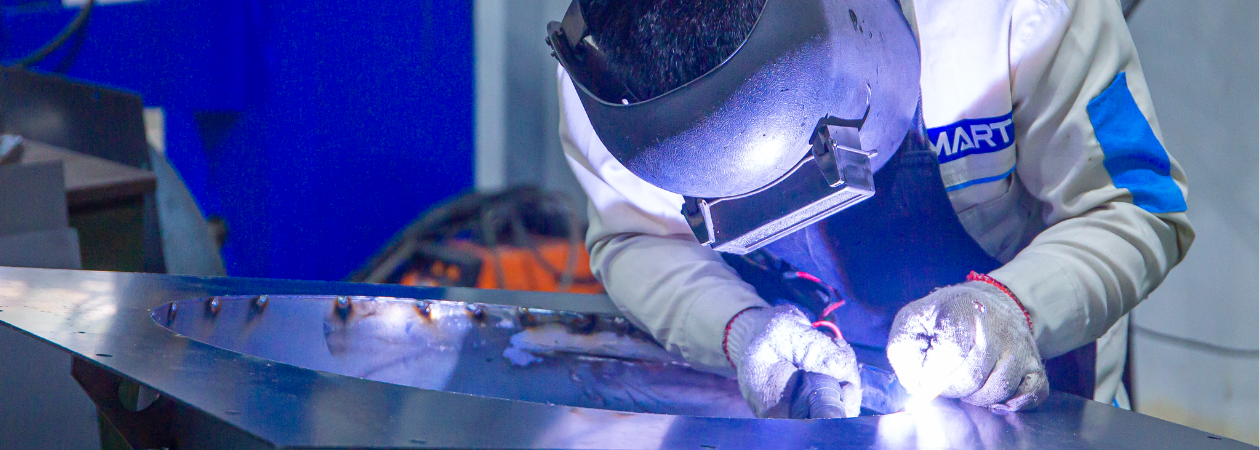
Safety is paramount in sheet metal manufacturing facilities. Workers in these environments are exposed to various risks and hazards that can lead to accidents and injuries. It is crucial to prioritize safety by implementing best practices and following proper protocols.
This comprehensive guide aims to provide a detailed overview of the areas of concern in metal sheet fabrication projects, common metal fabrication injuries, and practical safety tips for fabricating metal components and instruments. Adopting these safety measures, you can establish a safer working environment, protect yourself and your team, and ensure the success of your projects.
CONCERNS IN METAL SHEET FABRICATION PROJECTS
Improper Material Handling
Improper lifting techniques and long working hours can contribute to musculoskeletal problems among workers. These injuries can range from minor sprains to more severe conditions such as intervertebral disc injuries. Implementing proper lifting protocols, providing training on ergonomic practices, and scheduling regular breaks can help prevent these injuries.
Injuries from Hand Tools Usage
Hand tools play a significant role in metal fabrication projects, particularly for finishing touches. However, injuries can occur due to various factors, including using improper tools for the project, inadequate maintenance of tools, excessive use of tools leading to repetitive strain injuries, and inappropriate design of the work area. For example, prolonged use of a welding machine without proper ventilation can expose welders to toxic substances or carbon monoxide. To mitigate these risks, it is important to:
-
Provide workers with the appropriate tools for the job and ensure they are trained in their proper usage.
-
Establish a regular maintenance schedule for tools to keep them in optimal condition.
-
Encourage workers to take breaks and rotate tasks to minimize the risk of repetitive strain injuries.
-
Ensure proper ventilation systems are in place to maintain air quality in the work area.
Inadequate Barriers
Metal fabrication work areas are typically equipped with barriers and guarding mechanisms to prevent injuries. However, poor barrier protection can lead to severe accidents. For instance, if guarding barriers are not correctly installed, workers' fingers can get entrapped in machines, resulting in the loss of a finger or hand. To ensure effective barrier protection:
-
Regularly inspect and maintain guarding mechanisms to ensure they are in good working condition.
-
Provide training on the proper usage of these mechanisms and emphasize their importance.
-
Encourage workers to report any damaged or malfunctioning barriers immediately.
SAFETY TIPS FOR FABRICATING METAL PARTS
To create a safe working environment in sheet metal manufacturing facilities, the following safety tips should be followed when fabricating metal components and instruments:
Proper Training
Comprehensive training sessions should be provided to all personnel, covering equipment operation, occupational hazards, and safety protocols. All workers should be educated on the correct procedures to prevent accidents and promote a safety-conscious culture. Training should include:
-
Equipment-specific training, including operating procedures, emergency shutdown protocols, and safety features.
-
Hazard identification and risk assessment training to enable workers to recognize potential dangers.
-
Proper techniques for material handling, lifting, and tool usage.
-
Ongoing training to keep workers updated on safety practices and industry standards.
Inspecting Tools
Before starting any project, it is crucial to inspect all tools to ensure they are in good working condition. Malfunctioning or damaged tools can pose significant risks to workers' safety and should be promptly repaired or replaced. Regular maintenance and inspection of tools are essential for identifying potential hazards. Key considerations include:
-
Visual inspections to check for signs of wear, damage, or malfunction.
-
Prompt repair or replacement of faulty tools.
-
Establishing a regular maintenance schedule to ensure tools are always in optimal working condition.
Precautions
Attention and caution should be prioritized during metal fabrication projects. Workers handling sheet metal should avoid wearing loose clothing or jewelry that can get entangled in machinery. Additionally, they should always wear protective gloves to prevent burns from hot sheet metal. Awareness of potential hazards and taking necessary precautions is vital. Key precautions include:
-
Wearing appropriate personal protective equipment (PPE), including safety glasses, helmets, hearing protection, and respiratory protection.
-
Adhering to safe work practices, such as using proper lifting techniques, maintaining a clean work area, and following established safety protocols.
-
Regularly assessing the work environment for potential hazards and taking necessary steps to mitigate risks.
Tool Usage
Familiarize yourself with the safety features and guards on hand tools and large machinery. Manufacturers equip presses and other large machinery with guards and safety features to prevent accidents. It is essential to understand and utilize these features correctly to ensure operational safety. Key considerations include:
-
Training workers on the proper usage of tools and machinery, including safety features and guards.
-
Regular inspection and maintenance of safety features, such as emergency stop buttons, interlocks, and safety shields.
-
Encouraging workers to report any malfunctioning or damaged safety features.
Handling Products
Proper material handling is crucial to prevent injuries in sheet metal fabrication. Utilize appropriate material handling equipment to transport heavy or bulky products. Manual lifting of heavy objects can lead to strains, sprains, and other injuries. Key practices include:
-
Providing workers with training on proper lifting techniques and material handling equipment usage.
-
Ensuring material handling equipment,such as cranes, hoists, and forklifts, are properly maintained and inspected regularly.
-
Implementing clear pathways and designated storage areas to minimize the risk of trips, slips, and falls.
-
Encouraging workers to ask for assistance when handling heavy or awkwardly shaped objects.
Protective Clothing and Equipment
All individuals involved in sheet metal fabrication should wear proper safety gear at all times. This includes hard hats to protect against head injuries, goggles or face shields to safeguard the eyes from flying debris or sparks, gloves for hand protection, and safety shoes to prevent foot injuries. Adequate support for the back and neck is crucial, and workers should utilize equipment or other measures to avoid long-term pain or injuries. Key considerations include:
-
Providing workers with appropriate personal protective equipment (PPE) and ensuring it fits properly.
-
Regularly inspecting and replacing damaged or worn-out PPE.
-
Encouraging workers to report any discomfort or issues with their protective gear.
At Smart Vietnam, we prioritize safety in our sheet metal manufacturing facilities. By following the best practices outlined above, including comprehensive training, tool inspection, precautionary measures, and the use of protective clothing and equipment, we can significantly reduce the risk of accidents and injuries. Remember, safety should always come first. Let's implement these guidelines and create a safer workplace for everyone involved in sheet metal fabrication.
- The Brush Truck Revolution: Redefining Off-Road Firefighting with Precision Engineering
- Smart Vietnam Launches New Liquid Painting Shop
- Smart Vietnam’s Stainless Steel Printer Enclosure: Lock, Load, and Print
- Smart Vietnam’s ISO-Certified Quality: Built Right, First Time, Every Time
- Smart Vietnam’s Trolley Rack for Rigging: Grab, Load, and Roll
- Smart Vietnam’s Rigging Station Combo: Hang It, Store It, Move It – Built for Real Worksites
- Bead Blast Surface Finish Chart: Smart Vietnam’s Guide to Consistent, High-Quality Metal Finishing
- Smart Vietnam’s Roll Cages for Pharmaceutical Businesses: Built Tough for Clean, Secure Transport
- Smart Vietnam’s 2-in-1 Steel Rolling Tool Chest: 8-Drawer Cabinet for Garage & Workshop Use


Your Leading Partner
- Sheet Metal Fabrication
- Surface Treatment
- Turnkey Assembly